 Ledgerlive
Ledgerlive lets you preview trades in Ledger Live without a hardware signer
Updated -
Ledgerlive, now called Ledger Live, lets you simulate trades in Watch Mode without owning or connecting a hardware signer. You can explore a portfolio view, track markets, and compare provider rates for available trades. A preview shows a proposed exchange and leaves blockchain balances unchanged. Actual swaps from Ledger-secured accounts require hardware approval, and provider availability depends on the selected assets, amount, and location. Watch Mode supports preparation before a device purchase or a signed transaction.
What's inside
In short: Centralized exchange previews in Ledger Wallet display source-side network fees separately from the receiving amount, affecting the total swap cost.
Separate signing enables device-free trade previews
With Watch Mode in a supported app version, Ledger Live separates portfolio exploration from the hardware that authorizes spending, allowing previews before a signer is connected. The feature arrived with Ledger Live 4.0. A signer is the physical device that uses private keys to authorize transactions. Its Secure Element is the chip that protects signing secrets. A provider-rate preview needs market data and provider responses; authorization needs the corresponding wallet's private keys.
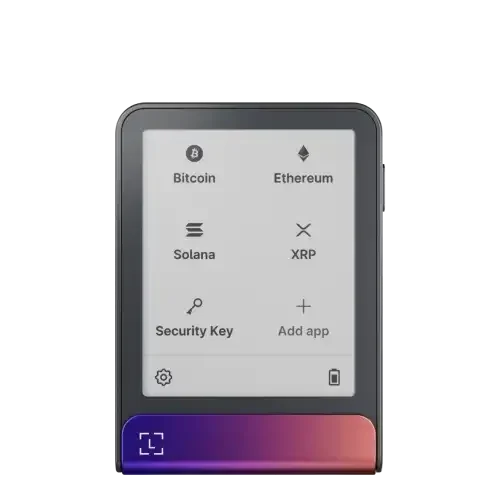
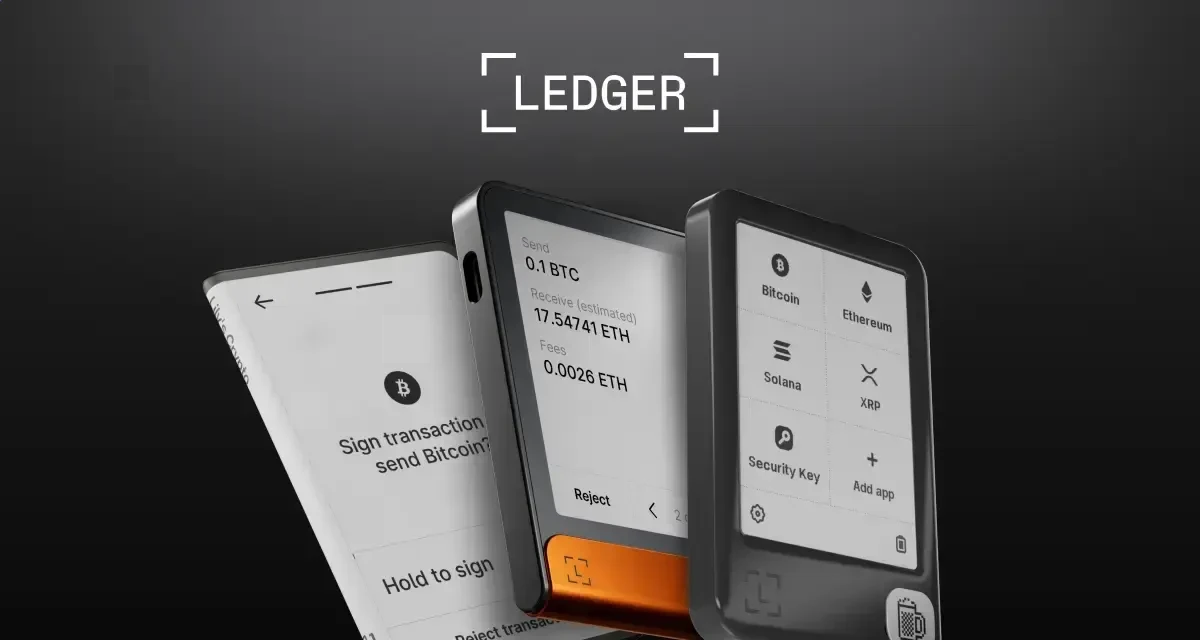
This separation lets you examine the buying and swapping interface before committing to hardware. Creating a portfolio view does not buy the assets that it displays.
Connection state changes the available account controls
An existing portfolio can remain visible after its signer is disconnected, while Watch Mode also supports exploration before owning any hardware. A connected signer supplies authorization for supported transactions. These access choices differ in the account information available and whether the app can obtain a transaction signature.
| Access choice | Required context | Useful task | Signing control |
|---|---|---|---|
| Watch Mode exploration | No connected signer | Track markets and simulate trades | The preview has no spending authority |
| Previously added accounts with the signer disconnected | Saved public account information | View existing balances and history | Public account data cannot sign transactions |
| A supported account with its signer connected | Compatible device application and source account | Authorize an eligible funded swap | The user approves signing on the hardware device |
Account synchronization can keep an existing portfolio consistent across app installations. Transaction approval remains a separate operation on the signer.
Why can an asset appear in the portfolio without a swap quote?
A portfolio asset can lack a swap quote because providers apply narrower asset coverage, regional restrictions, and amount limits. Managing an asset in the app does not establish that an integrated provider exchanges it. The asset's network matters too, because provider support applies to particular source and destination choices. A similarly named asset on another network does not automatically inherit the same trading route.
A missing quote can also reflect a provider response failure. Offers depend on remote services, and an unavailable response cannot supply usable exchange terms. Without an eligible offer, there is no quoted trade to authorize. Market tracking remains a separate use of the app. Connecting a signer does not expand a provider's supported pair or regional eligibility. A later quote request may return an offer if the interruption was temporary.
Quote terms change the expected receiving amount
The receiving amount is the quoted quantity of destination crypto for the selected input, with deductions determined by the provider's exchange model. It serves a different purpose from the portfolio's cash valuation. Comparing offers requires the same source asset, destination asset, network selection, and input amount. Otherwise, output differences may reflect changed trade terms instead of a better offer.
For centralized provider exchanges in Ledger Live, the displayed receiving amount incorporates applicable Ledger, provider, and withdrawal fees. The withdrawal fee covers the provider's outgoing transfer.
The source-side network fee covers sending assets to the provider and appears separately in this exchange flow. It does not form part of the displayed receiving amount.
A fixed quote applies within the provider's acceptance conditions and validity window. A floating quote allows the receiving amount to change, subject to the provider's stated slippage limit.
Slippage is a change between the quoted exchange outcome and the outcome when the trade executes. A slippage limit restricts how much adverse movement the selected route permits. Decentralized routes can use different fee and execution arrangements. The quote's own terms determine which costs it includes, so the centralized exchange breakdown does not apply universally. A preview cannot reserve an earlier rate indefinitely.
Does a simulated trade prove that the real swap will succeed?
A simulated trade cannot establish that a later swap will complete, because execution depends on the funded account, signing approval, and the provider. The relevant spendable balance and applicable fees must satisfy the actual transaction's requirements. A Watch Mode preview also does not establish that a signer controls the selected account. The same distinction applies to staking: viewing an available opportunity does not authorize a staking transaction.
Provider requests create a separate privacy boundary
Provider quotes involve sharing proposed trade information, so device-free exploration can disclose data even when no assets move. Ledger Live can transmit trade details and an IP address to providers to generate offers and assess regional availability. A wallet address may also form part of a request when the selected service uses it. Optional app analytics involve a separate consent choice. Keeping signing keys offline does not make a quote request anonymous, and each provider handles received data under its own policies.
Hardware approval authorizes spending for a real exchange
A real exchange needs a supported account and the Ledger device application that can sign for its network. A swap from a Ledger-secured account requires approval on the Ledger signer before the device signs it. The details that appear on the signer must match the intended transaction. Clear Signing, where the transaction and integration support it, presents those details in readable form. A device configured with unrelated keys cannot authorize spending from the funded source account.
Key custody and asset custody also differ during execution. In the centralized provider exchange flow, source crypto goes to the provider, which delivers the destination asset. Other supported routes execute through decentralized protocols. Using a hardware signer keeps signing keys on the device. The selected route determines how assets move and which provider or protocol handles execution.
A quote establishes proposed terms, and an approved signature authorizes a transaction. For centralized provider exchanges, the swap history distinguishes ongoing processing from completion. The destination account's actual credit establishes the delivered amount.
Ledgerlive: frequently asked questions
Do I need my recovery phrase to preview a swap in Watch Mode?
Watch Mode does not require your recovery phrase to preview a swap. It explores the interface without creating signing authority for your accounts. A recovery phrase can recreate the keys that control assets, so it belongs outside the desktop or mobile app. Enter it directly on the Ledger device when performing the separate wallet restoration process.
Will a visible quote let me trade without identity verification?
A visible quote does not waive the selected provider's registration or identity-verification requirements. Those requirements can apply when the provider executes the exchange, even if exploring the offer did not involve submitting identity documents. Ledger Live can show whether registration is needed. Provider checks are separate from hardware signing, so possession of a signer does not replace eligibility requirements.
Can Watch Mode refresh trade quotes without an internet connection?
Fresh provider quotes require an internet connection. Ledger Live requests offers from remote provider services, while market and portfolio updates also need network access. An amount that remains visible after connectivity drops cannot establish that a provider still accepts those terms. Offline key storage describes the Ledger signer's security architecture; it does not make live quote retrieval work offline.
Does Watch Mode let me assess a cross-chain swap?
A cross-chain trade preview depends on an eligible provider route between the selected source and destination networks. Ledger Live supports cross-chain swapping, and Watch Mode lets you explore trading options without signing. The network choices form part of the proposed exchange, since similarly named assets on different chains are not interchangeable. Actual execution follows the selected route's compatibility, fee, and authorization requirements.
Does checking a Watch Mode quote charge a blockchain fee?
Checking a quote in Watch Mode does not broadcast a blockchain transaction or incur its network transaction fee. Fee figures in the preview describe costs that would apply to the proposed exchange. They do not establish that a fee has already left an account. Actual provider and network charges belong to the executed route and its terms.