 Ledgerlive
Ledgerlive synchronization refreshes account balances and transaction history
Updated -
Ledgerlive synchronization refreshes account balances and transaction history by reading blockchain data for accounts already added to the app. The software is now called Ledger Live, replacing the Ledger Live name. A fresh view requires an internet connection and a working account-data service. A successful refresh describes the app's records; a pending transfer still needs blockchain confirmation. Ledger Sync handles a separate task: sharing account lists between authorized desktop and mobile installations.
In short: A successful refresh updates displayed records, while a transfer's blockchain record shows its confirmation state and any reported execution result.
Public account information and blockchain readers
Public account information tells the app which blockchain records to retrieve, while network services supply balances and transaction activity. A blockchain reader provides access to network data. An indexer organizes that data so software can request records for particular accounts or addresses. These services connect the portfolio display to the blockchain. Their availability affects whether the app can present recent activity accurately.
The Ledger device handles the private-key operations that authorize spending. The app stores the account information that it needs for its display and requests updates online. Reading those records does not move assets between accounts. Adding another account changes which records the app follows; synchronization updates the records for accounts that it already knows.
Refresh completion and transaction confirmation
A successful account refresh updates the app's records; blockchain confirmation concerns a transfer's inclusion in the network's ledger. The refresh indicator helps distinguish an update in progress from the displayed account view. When a particular transfer matters, its transaction record carries more useful information than the portfolio total alone. The network, recipient, and transaction status establish which transfer the record describes.
A transaction identifier helps locate a transfer on the correct network. A pending status indicates that confirmation remains outstanding. A completed app refresh can therefore show a transaction that is still pending. Signing, broadcasting, and blockchain confirmation describe different states, although the app may handle signing and broadcasting within one send operation. Repeated refreshes do not accelerate the network's processing. On networks that report execution failures, a confirmed transaction can still have failed. Its execution outcome matters when establishing whether the intended transfer occurred.
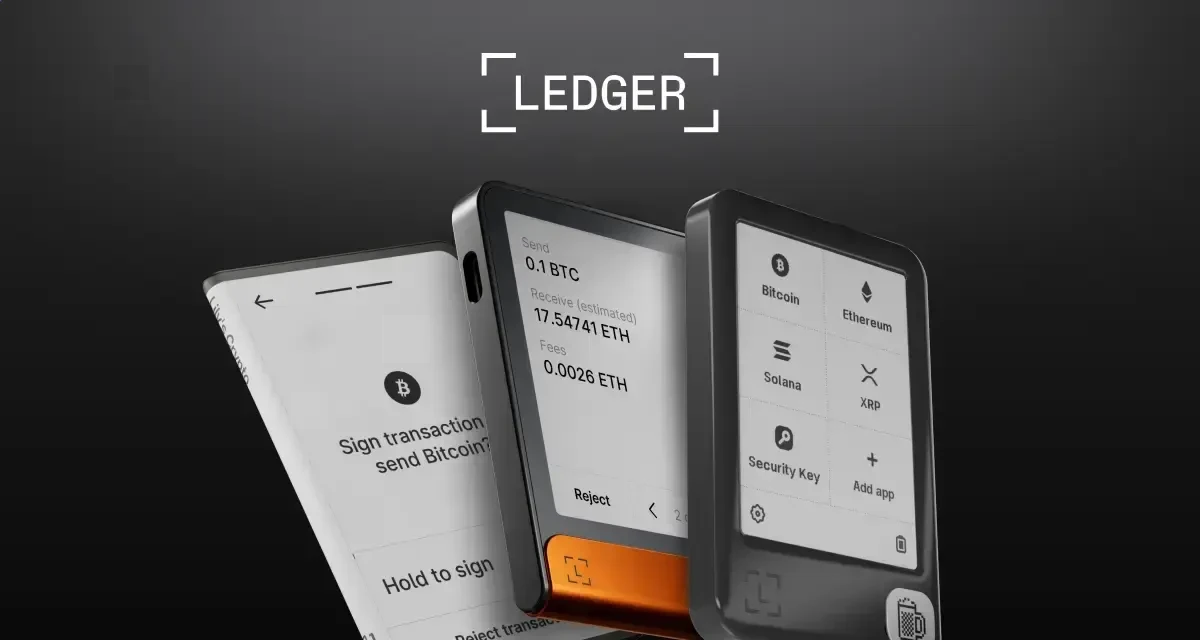
Total and spendable balances can differ when network rules or staking restrict access to funds. Synchronization reports that account state; it does not release locked funds or complete an unstaking request.
Options for refreshing and sharing account data
The appropriate option depends on whether the problem concerns stale blockchain records, an absent account, or account lists across installations. An account-sharing connection does not replace the blockchain reader that supplies balances, and a fresh blockchain read does not discover every account missing from the local list.
| Option | What it changes | Accounts and prerequisites |
|---|---|---|
| Manual synchronization | Requests fresh blockchain account data | Supported accounts already present in the app |
| Clear cache | Refreshes the app's cached blockchain records | Added accounts and an available account-data service |
| Add an account | Adds the account and its history to the local view | Supported account, corresponding device app, and connected signer |
| Ledger Sync with a signer | Enables encrypted account-list sharing | Compatible signer (excluding Ledger Nano S) and authorized app installations |
| Ledger Sync QR pairing | Connects another app to encrypted account sharing | An existing enabled Ledger Sync setup |
| Another compatible wallet interface | Provides another interface for reading account data | Matching account derivation and support for the asset and Ledger device |
Another wallet can provide access during a reader outage, provided that it supports the same account configuration and can reach a working blockchain-data service. Its transaction labels and history presentation may differ. Hardware connection should preserve signing on the Ledger device; entering the recovery phrase into wallet software changes that security arrangement.
What delays an account refresh?
An unavailable blockchain reader, interrupted internet connection, or application problem can delay an account refresh without changing the blockchain account. A service outage may affect a particular network while other accounts continue updating. Ledger's service-status information can identify a reader incident. A healthy internet connection alone does not establish that every service which the app uses is responding.
Local connection problems have a different remedy from a remote outage. A VPN, proxy, firewall rule, or unstable connection can interfere with the app's requests. The desktop app includes network troubleshooting in its Help settings. Connection tests can help distinguish a local access problem from a broader service issue. Timing alone cannot establish whether a transfer has reached its recipient.
Cache clearing and software dependencies
The cache holds blockchain data that the app has already retrieved. Clearing it prompts a fresh synchronization when displayed records remain stale. This operation concerns the software's account view. It does not require changing the keys that control the blockchain account.
The Clear cache control appears in the app's Help settings. Following a reader outage, service recovery comes before this refresh attempt. Clearing local data while the reader remains unavailable leaves the same dependency unresolved. Once the service returns, the app can request the account records again.
An app update can correct a software synchronization defect. Device operating-system and blockchain-app updates affect different components and do not automatically resolve a remote reader failure.
A USB or Bluetooth connection error belongs to communication with the signer. A synchronization error belongs to retrieving or processing account data. The distinction helps avoid disruptive hardware changes when the account reader is the affected component. Record the actual error and affected account, because an empty history and an unavailable signer require different investigations.
Token support and transaction decoding
Token support and transaction decoding determine which blockchain activity the app can display, even after a successful synchronization. A token's existence on a supported network does not establish that the app recognizes it. Hardware support for signing also differs from the software's ability to display a token balance. Repeating a refresh cannot add a missing token integration.
Some network integrations omit transaction types that their history parser does not recognize. A parser converts blockchain records into the operations shown in the app. A network-appropriate block explorer can show a confirmed operation that the wallet history omits. The account, network, and transaction identifier must match the activity under review. For staking, an active position or accrued rewards may also require the relevant position view rather than a transfer-history entry.
Matching desktop and mobile account lists
Desktop and mobile balances agree only when both installations follow the same accounts and obtain sufficiently recent blockchain data. Each installation maintains its own local account information unless an enabled sharing feature coordinates it. An account name is a local label, so matching names alone do not establish matching accounts. The network and public account information identify the records behind each view. An omitted account affects portfolio totals even when every visible account refreshes correctly. A difference in the account list needs account sharing or account addition; a stale balance needs a blockchain-data refresh.
Encrypted sharing through Ledger Sync
Ledger Sync coordinates account metadata across authorized app installations when the feature is enabled. It carries account-list changes, including additions, removals, and account names. The Ledger Key Ring Protocol manages access to the encryption keys that protect this shared data. The feature serves app installations across computers and phones; it does not combine separate hardware wallets into one wallet.
Ledger Sync encrypts account metadata before sending it to its online service. Authorized installations gain the access needed to read that metadata. Setup can use a compatible Ledger signer, and QR pairing can connect another installation to an existing enabled setup. The encrypted connection concerns account sharing, while blockchain readers continue to supply the underlying account activity.
Recovering the same encrypted account data through a signer requires the wallet configuration that controls the original encryption keys. A replacement signer can restore access when it recreates that configuration from the original recovery phrase. Account-data backup serves a different purpose from the recovery phrase: it preserves the app's account information, while the phrase restores control of the wallet's keys.
Account visibility and public-key privacy
Public account data allows balance monitoring, and sharing it can expose financial activity even when private keys remain protected. For Bitcoin accounts, an extended public key, or xpub, lets software derive the account's public addresses. Anyone holding that xpub can follow the account's transaction history and future activity. This is broader visibility than inspecting one receiving address. Bitcoin balances include spendable outputs across receiving and change addresses. A change address receives the remainder when a transaction spends inputs whose combined value exceeds the payment and its fee.
Encrypted account sharing protects the shared payload, while each authorized phone or computer can display the decrypted account information. Public blockchain records retain their existing visibility. Keep account-export material and diagnostic details away from public posts when they identify holdings. A synchronization repair needs account data and working readers; it never requires typing the recovery phrase into a desktop app, browser, or support conversation.
Ledgerlive synchronization: quick answers
Can account balances refresh while the Ledger device is disconnected?
Accounts already added to the app can refresh their balances without a connected Ledger device. The app needs internet access and a working blockchain-data service to read current records. Adding an account through the signer or authorizing a new outgoing transaction has different connection requirements. A disconnected signer therefore does not, by itself, explain a stalled balance update.
Will a payment to an older Bitcoin receiving address appear after synchronization?
A payment to an older Bitcoin receiving address can still appear in the same account after synchronization. Generating a fresh receiving address does not invalidate earlier addresses belonging to that account. The app follows the account's address history, while blockchain confirmation determines the payment's transaction state. Looking up only the newest address can overlook the older address that received it.
What happens to my assets if I delete Ledger Sync?
Deleting Ledger Sync does not delete blockchain accounts or move their assets. It removes the encrypted account-sharing setup and its stored synchronization data. The account list then loses the convenience of automatic sharing between installations. Control of the assets continues to depend on the wallet's signing keys, so deleting this feature is different from resetting or restoring a hardware device.
Why can zero-value or very small transactions stay hidden after a successful refresh?
Display filters can hide zero-value or very small transactions even when synchronization has completed. Where available, dust-filtering controls determine which small transactions appear. Zero-value token filtering has a separate setting. These settings affect the visible history, rather than whether the network recorded an operation. Zero-value spam can imitate familiar addresses, so a history entry alone does not establish a trustworthy recipient.
Does my app password synchronize accounts on a new computer?
An app password protects the local installation and does not synchronize accounts on another computer. A separate installation needs its own account information or authorized access through Ledger Sync. The password is different from the recovery phrase and from the encryption-key access that account sharing uses. Reusing a password therefore does not identify the same blockchain accounts.